
Know exactly when and where future solar eclipses will happen.
Solar Eclipse Info is here to provide information on upcoming solar eclipses so you can plan when and where to be so that you can experience these celestial wonders.
All the information on this site is drawn from NASA and other reliable observatory sources.
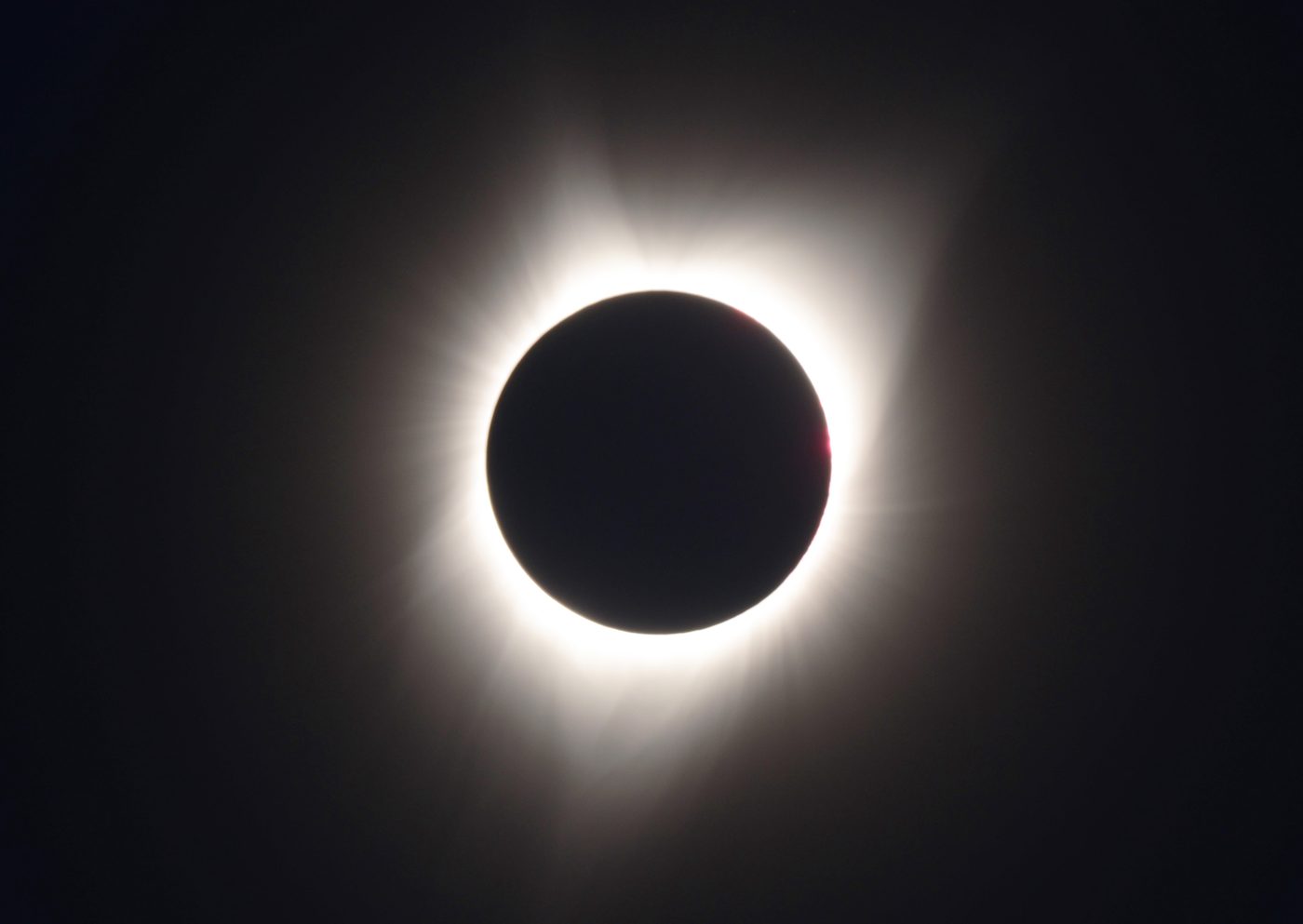
Until greatest eclipse over Iceland & northern Spain, 17:47 UTC

Three eclipses in the next twelve months.
Between 2026 and 2028 the Moon's shadow will sweep across Europe, Africa, the Middle East and South America. Here is the short version of each. For more details, visit our Upcoming Solar Eclipses page.
Greenland, Iceland & Spain
Totality lasts up to 2 minutes 18 seconds, crossing Greenland, Iceland, and northern Spain, with a partial eclipse visible across most of Europe and North Africa.
South America & West Africa
A "ring of fire" annular eclipse crosses Chile, Argentina, Uruguay and Brazil before reaching Ivory Coast, Ghana, Togo, Benin and Nigeria.
Spain, North Africa (inc. Egypt), Saudi Arabia - The longest totality since 1991
Totality reaches roughly 6 minutes 23 seconds near Luxor, Egypt, the longest total solar eclipse visible from land until 2114. The path also crosses Spain, Morocco, Algeria, Libya and Saudi Arabia.
Join us at La Camperona, Spain — 12th August 2026
Our recommended viewing site for the 2026 total eclipse: a 1,603 m summit in the mountains of León with an open horizon, near-total darkness, and one of the longest totality durations observable in Spain. Free admission, organised by Sabero Town Hall and Litos.net.
See the La Camperona event information pageNever look directly at the Sun, at any stage of a partial or annular eclipse, without certified ISO 12312-2 solar viewing filters. This applies throughout every phase except during totality itself, when the Sun is fully covered.
Ordinary sunglasses, exposed camera film and homemade filters do not offer safe protection. See our eclipse safety guide for full detail on safe viewing methods, including pinhole projection.